Checking Alternator Voltage in St. Catharines
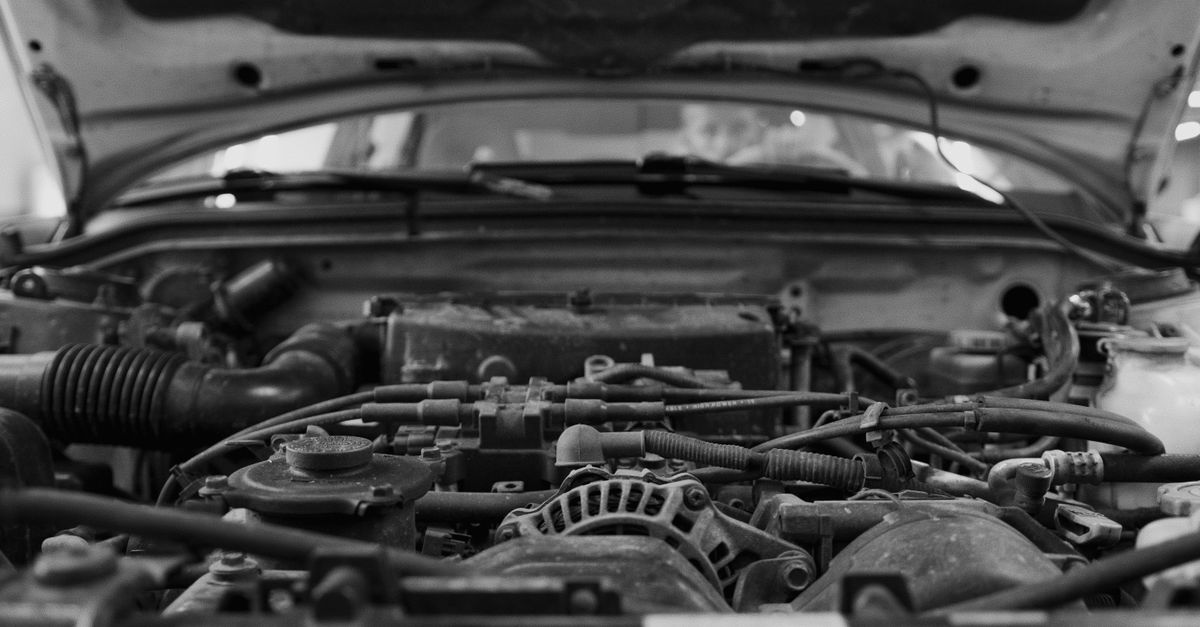
Late fall night driving in St. Catharines brings unique challenges for your vehicle's electrical system. When temperatures drop and you rely heavily on headlights, wipers and cabin heaters, your alternator works harder than ever. Catching early signs of electrical strain helps prevent sudden breakdowns on Merritt Street or during commutes to Thorold and Niagara Falls.
Spotting Voltage Warning Signs at Night
Your vehicle relies on a steady electrical current to power accessories while keeping the battery charged. As an alternator begins to fail, its voltage output drops below optimal levels. You might notice these subtle changes during your evening drives:
- Headlights that pulse or subtly brighten when you rev the engine
- Instrument cluster lights that flicker or dim unexpectedly
- Power windows moving much slower than usual
- A battery warning light that glows faintly on the dashboard
When multiple accessories draw power at once, a weak alternator struggles to keep up. If your headlights noticeably dim when you switch on the rear defroster or cabin blower fan, the charging system requires immediate attention. Ignoring these warning signs often leads to a dead battery when you least expect it.
Performing Simple Voltage Checks
You can perform a basic inspection of your charging system right in your driveway using a digital multimeter. Set the device to direct current voltage and measure across the battery terminals while the engine is turned off. A healthy resting battery typically reads around twelve volts. Next, start the engine and check the reading again. A properly functioning alternator should push that number up between thirteen point five and fourteen point five volts. If your voltage remains below thirteen volts with the engine running, your charging system is not replenishing the battery properly. For a more thorough evaluation, professional electrical diagnostics and repair can pinpoint whether the alternator, voltage regulator or wiring harness is at fault.
Inspecting Belts and Pulleys Under the Hood
Beyond internal electrical components, the physical drive system plays a massive role in how well your alternator functions. The alternator relies on a belt connected to the rotating crankshaft to generate electricity. If that belt lacks proper tension, it cannot spin the alternator fast enough to maintain charge.
You should visually inspect the belt for signs of wear, such as rubber shavings, deep cracks, or a shiny glazed appearance caused by slipping against the pulleys. If the belt slips during heavy electrical loads like defrosting and heating, your system output drops instantly. Combined with routine general auto maintenance, checking belt tension keeps your entire charging loop operating smoothly.
Preparing Your Electrical System for Winter
Cold weather tests every component under your hood, making late autumn the ideal time to check your belts and connections. A loose or worn serpentine belt can slip on its pulley, preventing the alternator from spinning at the correct speed to generate sufficient power. Check the belt for glazing, cracking or fraying along its edges. Also inspect the main electrical cables connecting the alternator to the battery for secure, corrosion-free contact points. Maintaining these connections ensures your vehicle starts reliably through every cold snap in Welland and Niagara-on-the-Lake.
Frequently asked questions
Can I drive with a failing alternator?
Driving with a failing alternator drains the battery completely until the engine stalls and all electrical systems shut down. It is unsafe to drive once warning signs appear.
How long does an alternator replacement take?
Most alternator replacements are completed within a few hours, depending on your specific vehicle make and model layout under the hood.
What causes an alternator to fail prematurely?
Internal component wear, age, heat exposure, and oil leaks from nearby engine components dripping onto the housing can all cause an alternator to stop working.
Fixed today. Trusted tomorrow. Contact our team at Fix Today Tire + Auto by calling (289) 932-9888 or visiting our contact us page to schedule your next service.
Photo: Artem Podrez / Pexels