Rough Engine Idle on Cold Mornings in St. Catharines
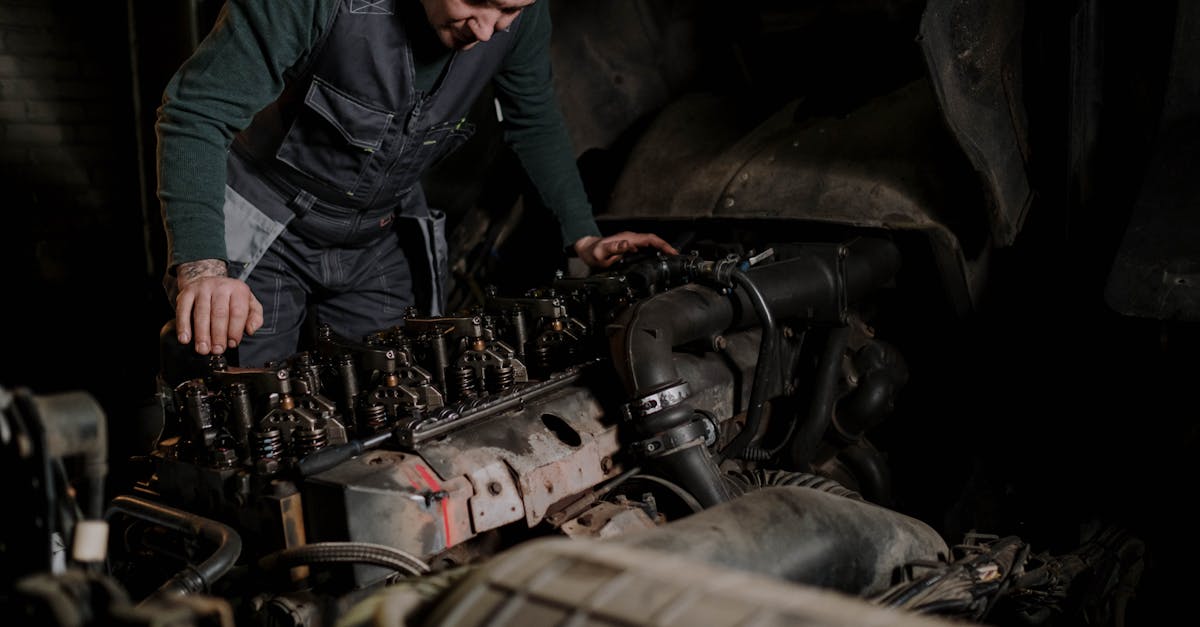
Driving through St. Catharines on a freezing November morning often brings a familiar frustration when your engine shakes or sputters until it warms up. That rough idle happens because cold metal parts and thicker fluids require precise sensor adjustments to establish a stable air-fuel mixture. Fixed today. Trusted tomorrow.
Understanding Cold Start Fuel Mixtures and Sensors
When temperatures drop below freezing around the Niagara region, your engine computer relies on data from multiple sensors to manage combustion. Coolant temperature sensors, mass airflow sensors, and oxygen sensors send signals that tell the computer to inject extra fuel to compensate for cold metal cylinders. Until the engine block reaches its normal operating temperature, fuel may not vaporize completely, resulting in an uneven burn and that noticeable vibration at stoplights.
Furthermore, unburned hydrocarbons can accumulate on spark plugs or inside the combustion chamber during these initial moments. If ignition components have accumulated wear, the spark struggles to ignite the rich mixture efficiently. This temporary stutter usually disappears once the coolant warms up and the computer leans out the fuel mixture. Drivers navigating Thorold or Niagara-on-the-Lake often notice this phenomenon most acutely during sudden morning cold snaps.
Practical Steps for Routine Engine Care
Addressing a persistent cold idle issue starts with keeping up with basic automotive care routines. Old spark plugs, dirty fuel injectors, or a sluggish thermostat can prolong the warm-up cycle and worsen engine vibrations. Regular inspections help identify minor sensor discrepancies before they trigger a check engine light or cause stalling in traffic along Merritt Street.
- Replace worn spark plugs according to your factory maintenance schedule.
- Inspect the air intake tract and vacuum lines for brittle rubber or minor cracks that let in unmetered air.
- Schedule routine checkups to monitor coolant levels and sensor responsiveness.
Staying proactive with your vehicle helps ensure reliable starts as winter weather settles across the peninsula. Professional general auto maintenance ensures that every sensor, fluid, and ignition component performs correctly when outdoor temperatures plummet.
Evaluating Vacuum Leaks and Air Intake Issues
An often overlooked culprit behind a rough morning idle is a minor vacuum leak in the engine bay. Rubber hoses, gaskets, and intake boots harden over time, and the drop in temperature causes these materials to contract further. This contraction can open up tiny gaps that allow unmeasured air to enter the cylinders, upsetting the carefully calculated air-fuel ratio.
When extra air sneaks past the sensors during a cold start, the engine computer struggles to maintain a steady idle speed. You might notice the RPM needle bouncing up and down until the rubber components expand from the engine heat and seal the gaps. Mechanics in Welland and Niagara Falls frequently check these connection points during seasonal tune-ups to stop minor air leaks before they lead to poor fuel economy or persistent engine hesitation.
Frequently asked questions
Why does my engine idle smoothly once it warms up?
Once the engine reaches its operating temperature, metal components expand to proper tolerances and fuel vaporizes completely. The computer then switches from the initial rich startup mode to a standard air-fuel ratio, eliminating the rough idle.
Can bad fuel cause a rough idle on cold mornings?
Yes, older fuel or moisture accumulation in the tank can disrupt combustion when starting your car in cold weather. Using fresh fuel and maintaining your ignition system helps minimize this effect.
How do I know if my vacuum lines need replacement?
Brittle, cracked, or spongy hoses often indicate failing vacuum lines that require immediate attention. If your engine idles rough only until it warms up, a failing gasket or hose is a common suspect.
If your car continues to idle roughly on chilly mornings or if you need professional assistance, reach out to our team. Call us today at (289) 932-9888 or contact us to schedule your next visit.
Photo: cottonbro studio / Pexels