Spotting Exhaust Manifold Leaks in St. Catharines
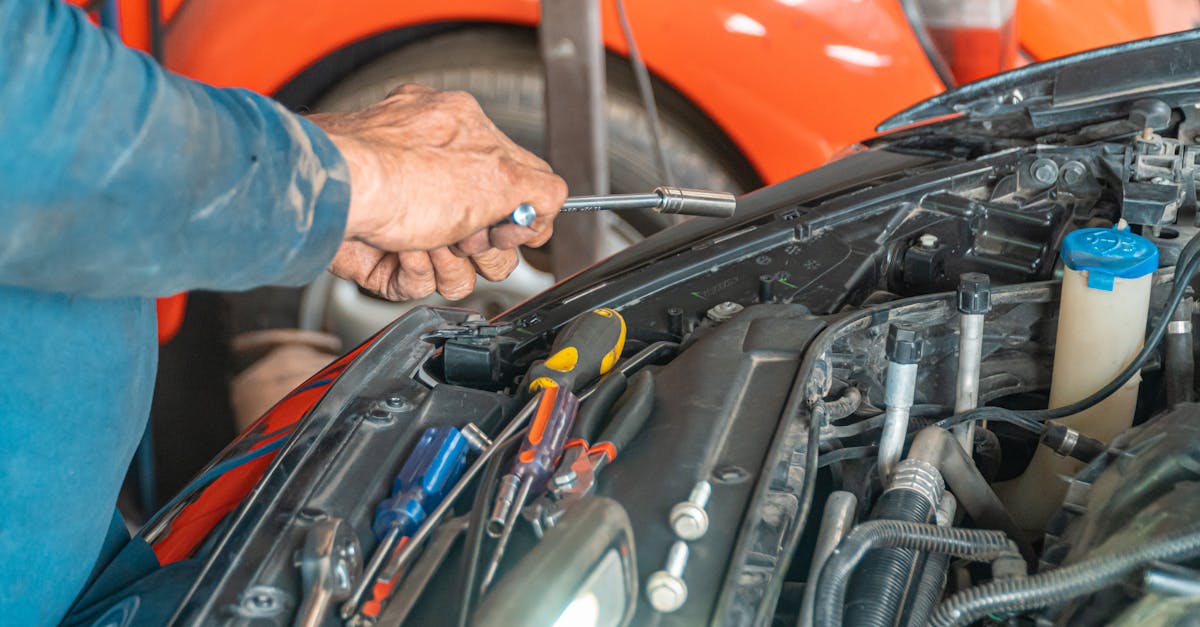
Late November brings crisp morning temperatures to St. Catharines, Thorold, and Niagara-on-the-Lake, which is when small mechanical issues under the hood often become noticeable. When metal parts contract in the chilly air, minor exhaust leaks tend to reveal themselves through distinct sounds and visual clues. Knowing what to look for helps you address exhaust system repair before small gaps turn into major problems.
Recognizing Cold Start Ticking Noises
If you hear a rhythmic ticking or tapping sound coming from your engine bay right after starting your vehicle on a cold morning, you might be dealing with a minor exhaust manifold leak. This sound often mimics a noisy valve lifter, but it typically behaves differently as the engine warms up. As the cast iron or steel manifold heats to operating temperature, the metal expands and seals the tiny gap, causing the ticking noise to quiet down or disappear entirely.
To check for this safely, open the bonnet on a cold morning before starting the engine. Have a helper turn the key while you listen closely near the sides of the engine block where the exhaust manifold bolts to the cylinder head. Never touch the manifold or surrounding pipes directly, as exhaust components become extremely hot within seconds of starting. Catching this sound early allows for timely general auto maintenance before exhaust gases damage surrounding engine components or wiring harnesses.
Spotting Carbon Tracking Under the Hood
Beyond listening for unusual noises, you can use a flashlight to visually inspect the exhaust manifold for signs of soot or carbon tracking. Exhaust gases escaping through a hairline crack or a compromised gasket leave behind dark, powdery black streaks on the metal surface or on the nearby engine block. This staining is one of the most reliable indicators of a minor leak.
Look closely around the mounting bolts and where the manifold sections join together. If you notice dark gray or black discoloration that looks out of place against clean engine parts, you have found the source of the leak. Left unaddressed, escaping exhaust fumes can degrade rubber hoses, melt nearby wiring insulation, and eventually force hot gases against components that are not designed to withstand direct heat.
Understanding Gasket Failures and Warped Metal
Exhaust manifolds endure extreme thermal cycles every time you drive through St. Catharines or head down toward Welland and Niagara Falls. Going from sub-zero winter temperatures to high operating heat places immense stress on the metal and the sealing gaskets. Over time, this constant expansion and contraction can warp the manifold surface or shear off retaining bolts.
When a bolt snaps or a gasket deteriorates, the clamping force that holds the exhaust sealed against the cylinder head is lost. You might notice a faint exhaust smell under the hood when you first stop the car after a drive. Checking the surrounding area for loose hardware or rust flaking around the ports can help you catch these structural failures early.
What to Do Next
Driving with an exhaust leak allows harmful fumes to enter the engine compartment, where they can eventually seep into the passenger cabin through the ventilation system. If you spot carbon tracks or hear that familiar cold start tick, prompt attention prevents larger cracks from forming across the manifold structure. Professional diagnostics ensure that the leak is properly identified, whether it stems from a warped casting, broken studs, or a failing gasket.
Frequently asked questions
Why does an exhaust manifold leak get quieter as the engine warms up?
Metal expands when heated, which causes the microscopic gaps or cracks in the exhaust manifold to temporarily seal themselves as the engine reaches normal operating temperature.
Can I drive short distances with a minor exhaust leak?
While the vehicle may still run, hot exhaust gases can damage nearby sensors, wiring, and plastic components under the hood, making early repairs essential.
How can I tell the difference between a lifter tick and an exhaust tick?
An exhaust tick usually sounds sharper and speeds up with engine acceleration, and it almost always fades away after a few minutes of driving as the metal heats up.
Fixed today. Trusted tomorrow. For professional help with your vehicle, contact us to schedule an appointment or call (289) 932-9888 to speak with our team at Fix Today Tire + Auto in St. Catharines.
Photo: Jose Ricardo Barraza Morachis / Pexels