Why Your Cabin Heater Blows Cold Air in St. Catharines
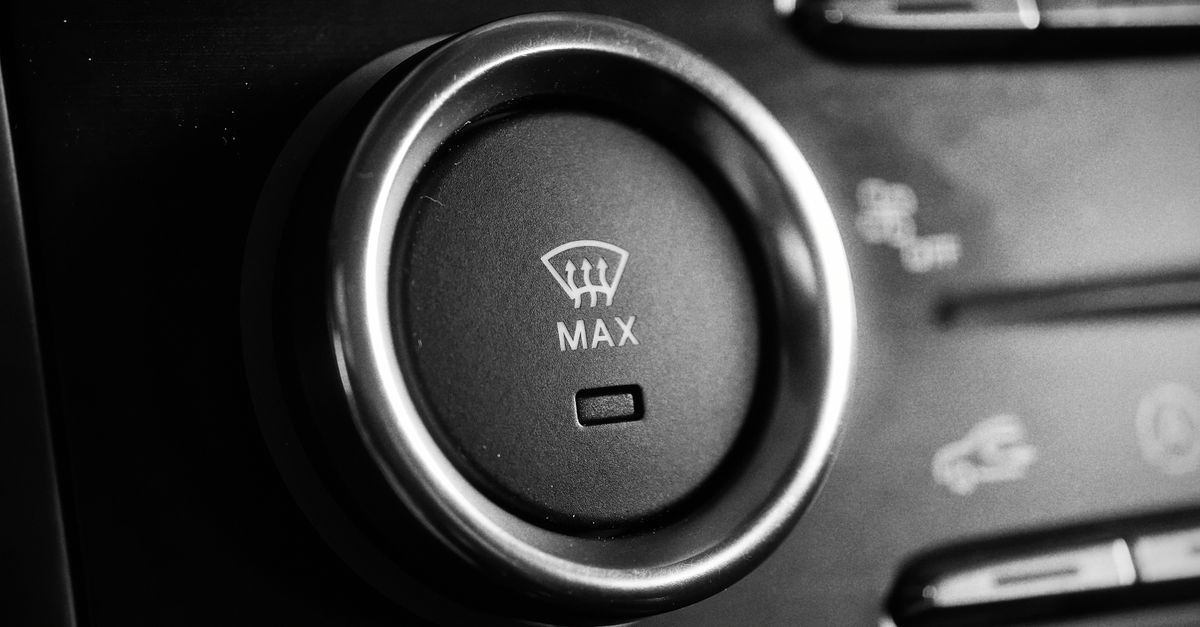
Stepping into your car on a crisp October morning in St. Catharines and feeling only cold air from the vents is an unpleasant surprise. As temperatures drop across Niagara-on-the-Lake and Thorold, hidden issues in your climate control system become immediately obvious. Fixed today. Trusted tomorrow.
Low Coolant Levels and Air Pockets
The most common reason for a cold cabin on chilly days is low engine coolant. Your car heater relies on hot coolant flowing from the engine through a small radiator called the heater core. When fluid levels drop due to a slow leak or evaporation, hot water cannot reach the heater core effectively.
Air pockets can also become trapped in the cooling system, blocking the proper circulation of warm fluid. If your temperature gauge climbs higher than normal while you drive, low coolant is often the culprit. Checking your coolant reservoir regularly helps catch these issues before you face freezing temperatures on your drive through Welland or Niagara Falls. For a deeper check, professional AC and heating repair ensures your system is properly bled and filled.
Thermostat Failures and Blend Doors
Another frequent cause of lukewarm or chilly air is a stuck thermostat. The thermostat acts as a gatekeeper, keeping coolant inside the engine until it reaches the right operating temperature. If it fails in the open position, the engine never warms up fully, leaving your heater with nothing but cool air to circulate into the cabin.
Inside the dashboard, mechanical blend doors direct air either through the heater core or past the air conditioning evaporator. If the cable or electric actuator controlling these doors breaks, you might be stuck with outside air regardless of where you set the temperature dial.
- Check if the blower fan changes speed across all settings.
- Listen for clicking sounds behind the dash when switching from cold to hot.
- Note if defogging your windshield takes much longer than usual.
Core Blockages and Water Pumps
Over time, mineral deposits, rust, or stop-leak products can clog the narrow passages inside your heater core. When coolant cannot flow freely through the core, heat transfer drops significantly. Flushing the cooling system can sometimes clear out these blockages and restore warmth to your cabin.
The water pump itself might also be losing efficiency. If the internal fins have eroded, coolant flow slows down throughout the entire vehicle cooling loop. Pairing seasonal checks with general General auto maintenance keeps your water pump, hoses, and heater core working smoothly together all autumn long.
Frequently asked questions
Why does my heater blow warm only when driving fast?
When you accelerate, the engine spins faster, pushing coolant through the system with more force. This temporary boost can force fluid past an air pocket or through a partially clogged heater core, but the issue returns when you idle.
Can a bad cabin filter stop my heater from working?
A clogged cabin air filter restricts airflow from the blower motor into the passenger compartment. While the air might actually be warm, very little of it will reach you through blocked vents.
Is it safe to drive with a heater that blows cold air?
If your engine temperature gauge remains in the normal range, it is generally safe to drive, though uncomfortable. However, if the cold air is accompanied by an overheating engine, pull over immediately to prevent severe engine damage.
Get your heating system checked out today by visiting our shop at 201 Merritt St, St. Catharines, ON L2T 1J7. Give us a call at (289) 932-9888 or contact us to schedule your appointment.
Photo: Kamil Čičila / Pexels