Why Your Car Battery Struggles on Cold October Mornings
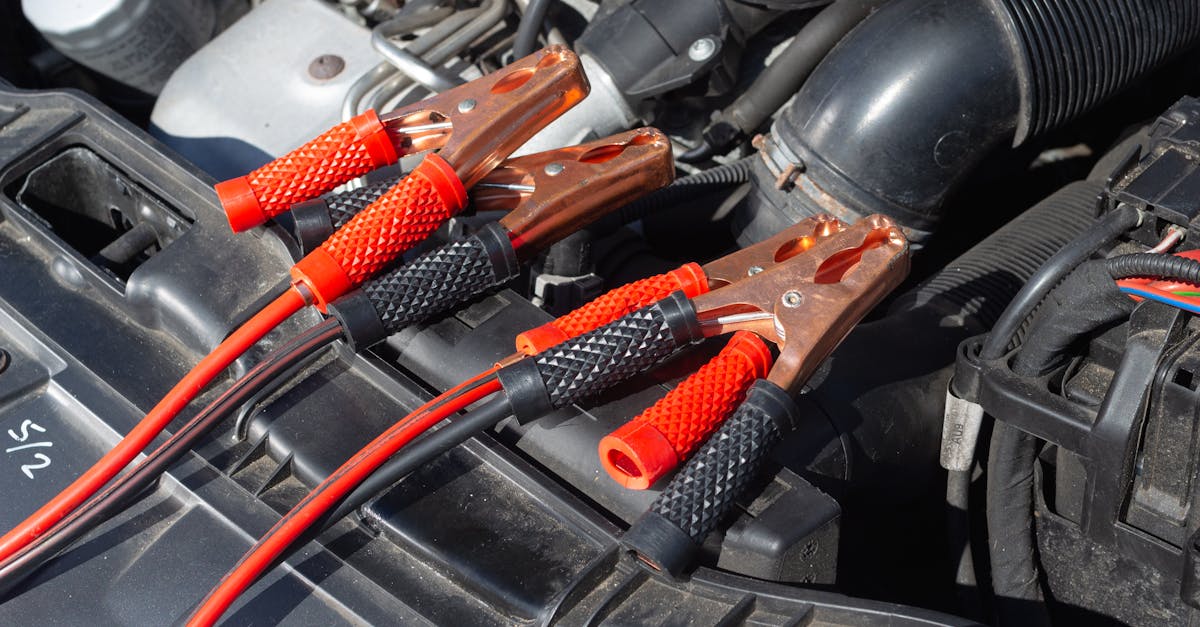
When temperatures drop across the Niagara region, your vehicle's electrical system has to work much harder to get the engine running. If your car hesitates, clicks, or cranks slowly on your way out the driveway in St. Catharines, Thorold, or Niagara-on-the-Lake, your battery is likely feeling the shift in the weather. Cold air thickens engine oil and slows down the chemical reactions inside a battery, making it tough to deliver the power needed for a cold start.
How Cold Weather Lowers Starting Power
Inside a standard lead-acid car battery, chemical reactions happen constantly to create electrical current. When the thermometer drops, those chemical reactions slow right down. This reduction in speed means the battery produces fewer amps precisely when the starter motor needs the most power to turn over a cold engine.
Furthermore, batteries that are a few years old lose some of their internal capacity over time. A warm summer might mask a weak battery because it takes less energy to start an engine in July than it does on a frosty October morning. Once the first cold snap hits, that hidden weakness reveals itself immediately as a sluggish crank or a complete failure to start.
The Role of Parasitic Drains and Short Trips
Short drives around town do not give your alternator enough time to fully recharge the battery after a heavy draw from starting the engine. If you mostly make quick trips to the grocery store or drive short distances to work, your battery constantly operates at a partial charge.
- Accessories left plugged in overnight draw power continuously.
- Dash cameras or auxiliary chargers can drain a resting battery.
- Corroded battery terminals restrict the flow of electrical current.
When you combine short commutes with chilly morning air, the battery never quite catches up. This is also a good time to check other electrical systems like your general auto maintenance routine to ensure connections are clean and secure before winter arrives.
Professional Electrical Testing and Care
Guessing the state of your car's electrical system often leads to being stranded in a parking lot. A professional evaluation measures reserve capacity, cranking amps, and alternator output under load. If your charging system or battery shows signs of failure, targeted electrical diagnostics and repair pinpoints the root cause rather than just replacing parts blindly.
Technicians can test whether your alternator is adequately replenishing the charge or if an old battery simply can no longer hold a charge through the night. Addressing these electrical issues early helps prevent unexpected breakdowns when temperatures plunge further into winter across Welland and Niagara Falls.
Frequently asked questions
Can I jump-start my car if the battery is frozen?
If you suspect your car battery is actually frozen solid, which can happen in severe sub-zero conditions if the charge is very low, do not jump-start it. A frozen battery can crack or leak acid; instead, let it warm up or have it towed for professional testing.
How long does a typical car battery last?
Most conventional car batteries last between three and five years depending on driving habits, climate severity, and maintenance. Regular seasonal checks help catch a failing battery before it leaves you stranded.
Why does my interior light look dim before starting?
Dim interior lights or slow power windows before starting the engine indicate a low state of charge or high internal resistance. This means the battery lacks the reserve power to run accessories and power the starter at the same time.
Fixed today. Trusted tomorrow. If your vehicle is struggling on chilly mornings, give us a call at (289) 932-9888 or stop by 201 Merritt St in St. Catharines, and you can easily contact us to schedule your next service appointment.
Photo: Daniel @ bestjumpstarterreview.com / Pexels